

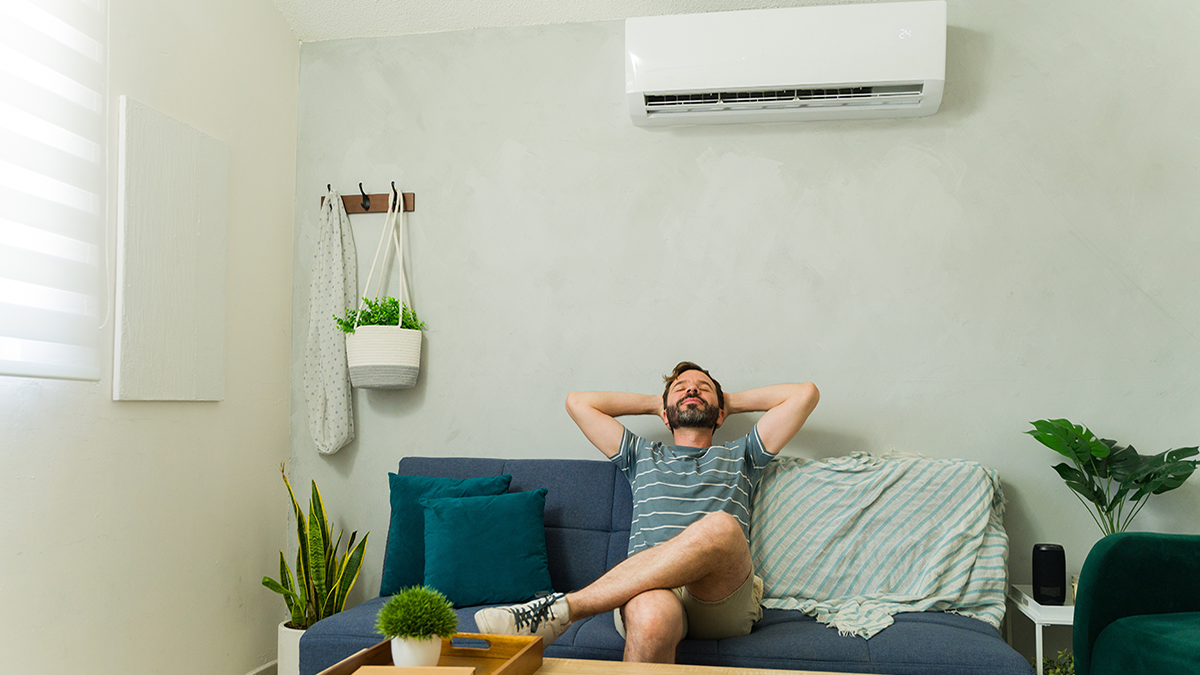
Australia’s summers are getting hotter, and while most states do not yet require cooling in rental properties, new laws are on the horizon…

Understanding current and upcoming requirements is essential for landlords and property managers to stay ahead of changing regulations. Being informed not only helps you meet your legal obligations but also shows tenants you care about their wellbeing during extreme heat.
In this article, we break down the current rules, outline upcoming changes, and share practical steps to help make your rental property more comfortable - helping you keep your tenants cool in the summer months.
So, do landlords need to provide cooling?
No… well, not yet anyway. At the moment, there are no national or state-specific cooling requirements for rental properties. However, change is coming. In Victoria, all new leases from March 2027 will require energy-efficient cooling to be installed in the main living areas. By July 2030, this will extend to all Victorian rentals, regardless of lease date.
Other states are likely to follow suit as energy-efficiency targets evolve, it may be wise for landlords to start thinking about how to keep their properties cool, even before it becomes a legal requirement. Taking steps now not only supports tenant wellbeing but also future-proofs your property for upcoming regulations.
Making sure your property stays comfortable and safe
Rental properties are legally required to be safe and comfortable, and if a home becomes hot enough to be considered “unbearable” or “unsafe,” landlords may be expected to install a cooling system.
While the exact wording varies between states, they all generally say, a property must be able to be lived in “safely and comfortably.” Dr Chris Martin, a senior research fellow at the University of NSW City Futures Research Centre, told the ABC: “If it takes an air-conditioner or a heating unit to make a particular premises habitable, that is what is required to meet the obligation.”
This is especially important for landlords with properties in extremely hot areas, where keeping homes comfortable during heatwaves may already require cooling solutions.
Tips for making your property a cooler place to live
Installing an air-conditioner is often the most effective way to keep tenants comfortable, especially during extreme heat. But even if a full system is not feasible, there are plenty of other ways landlords can help keep homes cool while protecting their property. Overhead fans, extractor fans, and whirlybirds can improve airflow, while blinds or blackout curtains in living areas and bedrooms help block heat during the day.
It is worth thinking ahead: small improvements now can reduce heat-related damage, improve energy efficiency, and show tenants that you care about their wellbeing. Even minor upgrades (such as sealing doorways or installing draft stoppers) can enhance comfort and help future-proof your property for evolving standards around safe and liveable homes.
The bottom line
Making your rental property cool and comfortable for tenants is a smart move. With cooling-related legislation on the horizon and Australian summers only getting hotter, there has never been a better time to act.
While immediate action may not be required, landlords should understand that when it comes to extreme heat, it is a matter of when, not if, standards and expectations will shift.
Next month, we will cover how to keep cooling systems in good working order and when insurance might step in if a unit breaks down. In the meantime, have a question? The EBM RentCover team are here to help. Call us on 1800 661 662.
*While we have taken care to ensure the information above is true and correct at the time of publication, changes in circumstances and legislation after the displayed date may impact the accuracy of this article. If you need us we are here, contact 1800 661 662 if you have any questions.

You may also like
View all
Here we explore five summertime risks and offer some tips to help landlords and property managers proactively address them...

With bushfire season starting across much of the nation, it’s time to prepare rental properties and check they are adequately insured...
If you own an aging rental property, here are the tips to help avoid gradual disaster...
